What Darknet Sites Actually Are
Darknet sites are web services hosted on the Tor network and accessed through .onion addresses. Unlike the regular internet, these services do not rely on traditional domain registrars or IP addresses; instead, they use Tor's onion routing to hide both the server location and the user's identity. A legitimate darknet site might be a privacy-focused forum, a news outlet that publishes leaked documents, a secure messaging platform, or a marketplace. The key distinction is that the site itself is hidden, not necessarily the activity on it. Some darknet sites serve journalists, activists, and whistleblowers; others facilitate illegal trade. The technology itself is neutral; what matters is how it is used and who operates it.
How Onion Services Work and Why They Exist
Onion services use Tor's multi-layer encryption to route traffic through a series of relays before reaching the server. This process masks the server's real IP address and makes it extremely difficult for an observer to determine where the service is hosted. The Tor Project, which maintains the Tor network, publishes technical documentation on how onion services function and their security properties. For users, this means that accessing a legitimate onion service provides stronger privacy than using a regular website, even with a VPN. However, this same property makes it easier for criminals to operate without immediate detection. The technology was designed to protect dissidents and journalists, but it also enables marketplaces and forums that operate outside legal oversight. Understanding this dual-use nature is essential for evaluating the risks and benefits of the darknet.
Categories of Darknet Sites and Their Purposes
Darknet sites fall into several broad categories. Privacy and security-focused sites include encrypted email providers, secure messaging platforms, and forums dedicated to digital security and anonymity. News and information sites publish leaked documents, investigative journalism, and information that may be censored in certain countries. Discussion forums cover topics ranging from technology and philosophy to illegal goods and services. Marketplaces historically facilitated the sale of drugs, stolen data, weapons, and other contraband; many have been seized by law enforcement, but new ones periodically emerge. Phishing and scam sites impersonate legitimate services to steal cryptocurrency or credentials. The best darknet sites 2025 and beyond will likely continue this pattern: a mix of legitimate privacy tools, forums, and illegal marketplaces, with law enforcement constantly working to identify and shut down the latter. Knowing which category a site belongs to helps you assess whether it is worth visiting and what risks it poses.
How Phishing Clones and Impersonation Work
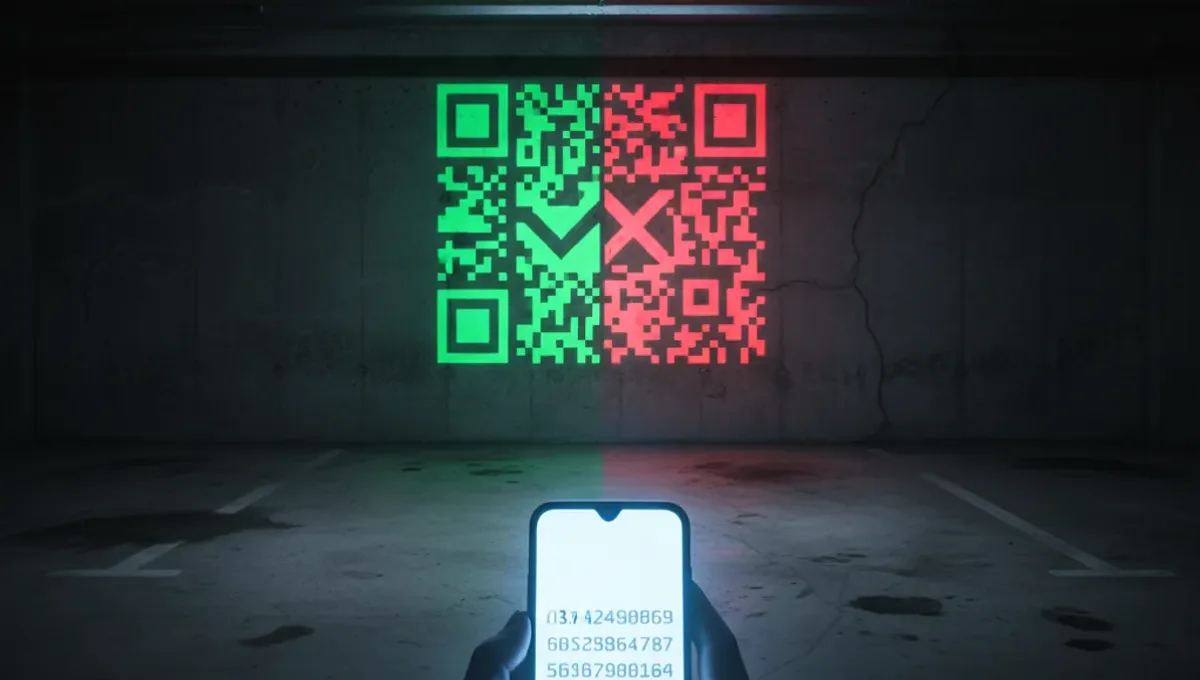
One of the most common threats on the darknet is the phishing clone. When a popular marketplace or forum becomes well-known, scammers create fake versions with similar names and layouts to trick users into depositing cryptocurrency or entering credentials. Because .onion addresses are long, random strings of characters, users cannot easily verify whether they have the correct address. A phishing clone might be hosted on a different server but styled to look identical to the original. The Tor Project and security researchers have documented how these clones spread through word-of-mouth and social media. To avoid them, always verify onion addresses through official PGP-signed announcements, never through search results or forum posts. If you are looking for a specific darknet site, check the official resources page of this site or the project's own verified communication channels. Entering the wrong address is one of the fastest ways to lose money or compromise your credentials.
Reality Layer: How the Darknet Ecosystem Actually Behaves
According to Tor Project documentation, the majority of onion services are short-lived and many are honeypots or scams. This matters because it means that even if you find a list of top darknet sites, many will be offline, compromised, or fake by the time you try to access them. Law enforcement agencies, including the FBI and Europol, have published press releases describing how they infiltrate and seize darknet marketplaces by identifying the server infrastructure or compromising the operator's operational security. This shows that no darknet site is truly untraceable if law enforcement is motivated to pursue it. Academic research on onion services has found that phishing and exit scams are the primary way users lose money, not law enforcement action. For the ordinary user, this means that the biggest risk is not arrest but financial loss to scammers. The darknet sites that survive longest are those run by experienced operators with strong operational security, but even these can be seized or exit scam without warning.
Verifying Legitimate Onion Addresses and Avoiding Fakes
To verify that a darknet site is legitimate, follow these steps:
- Find the official .onion address only from the project's own website or PGP-signed announcement.
- Check that the address is signed with the project's known PGP key; verify the key fingerprint through multiple independent sources.
- Compare the address character-by-character with what you intend to visit; do not rely on memory or bookmarks.
- Access the site through Tor Browser and check for security warnings or certificate errors.
- Look for a PGP public key on the site itself and verify any messages or updates with it.
Never assume that a site is legitimate because it appears in a search result or forum post. Darknet search engines and directories are often inaccurate or compromised. If you are looking for a specific service, start with the official resources page of this site or the Tor Project's directory of onion services. The extra time spent verifying an address is far less costly than losing cryptocurrency to a phishing clone.
Why People Search for Top Darknet Sites and What They Should Know
People search for top darknet sites for many reasons: curiosity about how the technology works, interest in privacy-focused tools, research into cybercrime and security, or unfortunately, intent to purchase illegal goods. Regardless of motivation, the key takeaway is that the darknet is not a single place with a fixed list of sites. It is a constantly changing ecosystem where services appear and disappear, where scams are rampant, and where law enforcement is actively investigating. The best darknet market sites from one year may be seized or exit scam the next. If you are interested in privacy tools, focus on well-documented projects like Tor Browser, Tails, and Whonix rather than hunting for obscure onion services. If you are researching darknet sites for security awareness or academic purposes, rely on published reports from law enforcement and security vendors rather than trying to access the sites yourself. If you are tempted to purchase anything on the darknet, understand that you are exposing yourself to scams, malware, and law enforcement risk. The most secure choice is to avoid darknet marketplaces entirely and use legitimate channels for any goods or services you need.
Frequently Asked
What are the most popular darknet sites right now
The status of darknet sites changes constantly; many are seized, exit scam, or go offline without warning. Rather than searching for a current list, consult the official resources page of this site or the Tor Project's directory for verified onion services. Focus on well-documented privacy tools and forums rather than hunting for marketplaces.
How do I know if a darknet site is real or a phishing clone
Verify the .onion address only through the project's official website or PGP-signed announcement. Check the PGP signature with the project's known key, and compare the address character-by-character before visiting. Never trust addresses from search results, forums, or social media; these are common vectors for phishing clones.
Is it illegal to visit darknet sites
Visiting a darknet site is not inherently illegal; many onion services are legitimate privacy tools and forums. However, purchasing illegal goods or accessing child exploitation material is a serious crime. The act of using Tor is legal in most countries, but your activity on the darknet may expose you to law enforcement scrutiny if it involves illegal content or transactions.
What is the safest way to access darknet sites
Use Tor Browser, the official Tor Project application, on a dedicated device or virtual machine if possible. Keep your operating system and all software up to date, disable JavaScript in Tor Browser settings, and never maximize your browser window to avoid fingerprinting. Never enable plugins or extensions, and assume that any site you visit can attempt to deanonymize you.
Why do darknet sites get shut down so quickly
Law enforcement agencies actively investigate and seize darknet marketplaces and forums by identifying server infrastructure, compromising operators, or infiltrating the service. Additionally, many sites are scams or honeypots designed to steal from users. Academic research shows that phishing and exit scams are the primary way users lose money, not law enforcement action.