What Makes a Darknet Site Legitimate
A legitimate darknet site is one operated by the person or group who claims to run it, accessible via the correct onion address, and not a phishing clone designed to steal credentials or funds. Legitimacy on the darknet differs from the surface web because there is no domain registrar, no SSL certificate authority, and no reputation system that cannot be spoofed. Instead, legitimacy rests on cryptographic proof: PGP-signed announcements, consistent operator keys, and community verification over time. The Tor Project documentation notes that onion services can be verified through long-term key consistency, meaning an operator who has used the same PGP key for years and published it across multiple channels is harder to impersonate than a new service with no history. This matters because a single mistake in copying an onion address into your browser can land you on a clone site run by attackers.
How Phishing Clones Exploit Trust
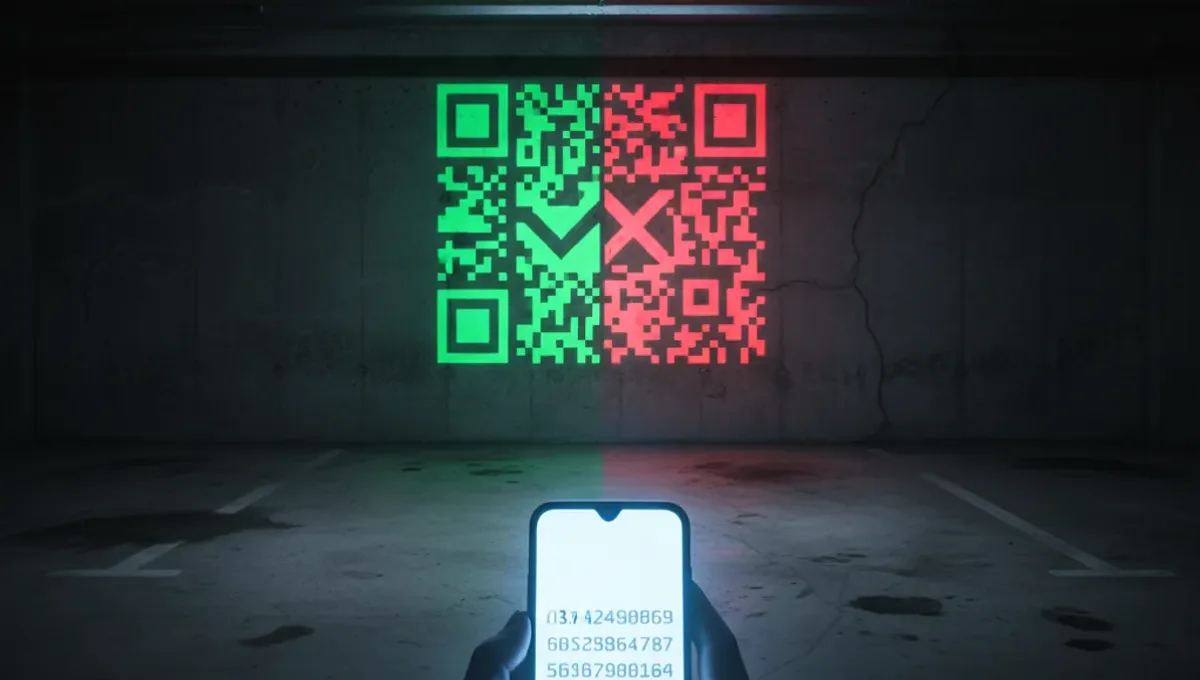
Phishing clones are fake copies of popular darknet sites, often hosted on similar-looking onion addresses that differ by only one or two characters. An attacker registers a new onion address, copies the layout and branding of a legitimate site, and waits for users to mistype the real address or follow a malicious link. Once a user logs in or deposits funds, the attacker captures credentials or steals the money. The attack works because onion addresses are long hexadecimal strings that are difficult to memorize and easy to misread. Security-vendor incident reports on darknet marketplace breaches show that phishing clones have been responsible for significant user losses, often more damaging than the legitimate site being cloned. The best defense is never to rely on memory or casual links; always verify the address through an official channel before accessing any darknet site.
Verification Methods for Darknet Sites
Several methods can help you verify that an onion address belongs to the operator who claims to run it. The most reliable approach is to check for a PGP-signed announcement from the operator on multiple independent channels. Follow these steps to verify a darknet site:
- Find the operator's official PGP public key from their website or a trusted source.
- Locate a recent PGP-signed message that includes the correct onion address.
- Verify the signature using a PGP tool to confirm it was signed by the operator's key.
- Check that the onion address in the signed message matches what you plan to visit.
- Cross-reference the announcement on at least two separate channels (forum, social media, or their own site) to reduce the risk of a single compromised source.
Another method is to check the site's SSL certificate fingerprint if it uses one, though many darknet sites do not. Community forums and Reddit discussions sometimes share verified addresses, but treat these as a starting point only, not as final proof. The Tor Project's documentation on onion service security recommends bookmarking the correct address once verified and never relying on search results or links from untrusted sources.
Why Darknet Marketplaces and Forums Close
Understanding why top darknet sites shut down helps you assess the legitimacy of any service you encounter. Darknet market sites have been seized by law enforcement, abandoned by operators in exit scams, or voluntarily closed due to security breaches. When a marketplace is seized, law-enforcement agencies typically publish press releases and court records detailing the action, the charges, and the evidence. When an operator runs an exit scam, they disappear with user funds, leaving behind a non-functional site and angry users. When a site is breached, the operator may choose to shut down rather than face the fallout. Each of these outcomes means the site is no longer operational, but clones and mirrors may persist. Court records and public law-enforcement announcements are reliable sources for confirming that a major darknet site has been taken down. This context matters because a site that was legitimate years ago may no longer exist, and any new site claiming to be its successor should be treated with extreme skepticism.
The Reality of Darknet Site Verification
Three key insights shape how darknet site verification actually works in practice. First, the Tor Project's technical documentation confirms that onion addresses are not human-readable and cannot be verified by appearance alone; only cryptographic verification through PGP signatures provides certainty. This matters because it means no amount of visual inspection can tell you whether a site is real. Second, security-vendor incident reports consistently show that users who rely on search results, forum recommendations, or casual links are the primary victims of phishing clones. This matters because it means your verification process must be deliberate and independent, not passive. Third, law-enforcement actions against darknet marketplaces are public record, and the Tor Project maintains documentation of seized services. This matters because it gives you a way to confirm whether a site you are considering has already been taken down by authorities.
Common Mistakes When Searching for Darknet Sites
Users often make predictable errors when looking for legitimate darknet sites, and these mistakes expose them to scams. The most common mistake is trusting a single source: a Reddit post, a forum link, or a search result. If you find an onion address in only one place and cannot verify it through the operator's official channels, you are at high risk. Another mistake is assuming that a site with a professional design or a long history of posts is legitimate. Clones can be visually identical to the original, and old posts can be copied. A third mistake is visiting a site without checking whether it has been seized or shut down. Before accessing any darknet site, search for recent news about it on mainstream news sites and security blogs. If the site was seized or closed, any new site claiming to be its successor is almost certainly a scam. Finally, many users confuse the Tor browser with the darknet itself and assume that using Tor makes them safe from phishing. Tor protects your location and identity, but it does not protect you from visiting a fake site.
Taking the First Step Toward Safe Verification
The core takeaway is simple: there is no shortcut to verifying a darknet site. No list, no recommendation, and no search result can replace your own verification process. The only reliable method is to find the operator's official PGP key, locate a recent signed announcement with the correct onion address, verify the signature yourself, and cross-check the address on multiple independent channels. This takes time, but it is the only way to be reasonably certain you are visiting the real site and not a clone. Start by identifying the specific darknet site you want to access, then search for its official PGP key and recent announcements. Visit the Useful Resources page on this site for links to official Tor Project documentation and verified community forums where you can ask for help verifying an address. Do not visit any darknet site until you have completed this verification process.
Frequently Asked
How do I know if a darknet site is real or a phishing clone
Verify the onion address through the operator's PGP-signed announcement on multiple independent channels. Check that the signature is valid using a PGP tool and that the address matches what you plan to visit. Never rely on a single source, search result, or casual link. If you cannot find an official signed announcement, treat the site as unverified.
What is the safest way to find darknet sites
The safest approach is to search for the operator's official website or social media account, locate their PGP public key, and find a recent signed message that includes the correct onion address. Verify the signature yourself before visiting. Avoid relying on search results, forum recommendations, or links from untrusted sources, as these are common vectors for phishing attacks.
Can I trust darknet sites that have been around for years
Longevity is not a guarantee of legitimacy. A site can be legitimate for years and then be seized by law enforcement or abandoned by the operator. Always verify the current status of a site through recent news and official announcements before accessing it. A site that was legitimate in the past may no longer be operational, and any new site claiming to be its successor should be treated with extreme skepticism.
What should I do if I accidentally visit a phishing clone
Do not enter any credentials, personal information, or funds. Close the browser tab immediately and verify the correct onion address through official channels before visiting again. If you have already entered credentials, change your password on the legitimate site and monitor your account for unauthorized activity. Consider using a fresh Tor browser session or a new virtual machine if you are concerned about malware.
Why do darknet sites get seized or shut down
Darknet marketplaces and forums are seized by law enforcement when operators are identified and prosecuted. Some sites are abandoned by operators who run exit scams and disappear with user funds. Others are voluntarily closed after security breaches or due to operational challenges. Law-enforcement press releases and court records document these actions and provide reliable confirmation that a site is no longer operational.