What Happens When a Dark Website Opens
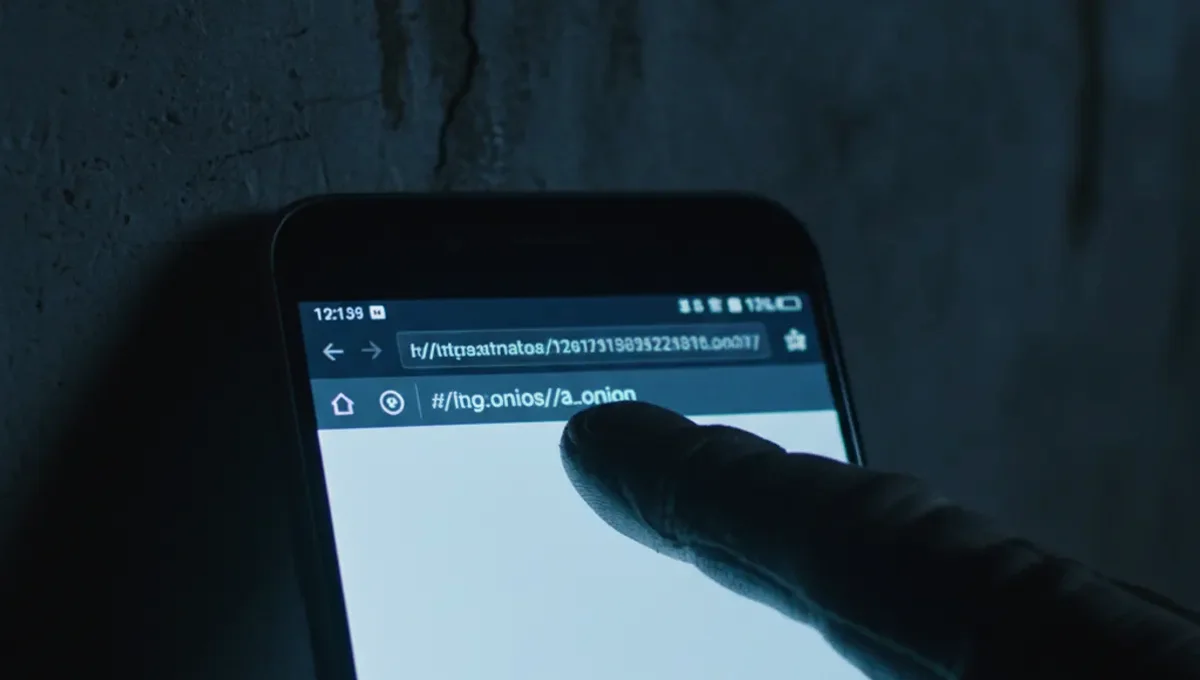
When you enter an onion address into Tor Browser and press Enter, your connection routes through multiple Tor relays before reaching the hidden service. The .onion domain itself is not registered with any central authority; it is generated from the site operator's private key, which means the address is cryptographically tied to the server. This is why onion addresses are long and seemingly random: they encode the public key that proves the server's identity.
The Tor Browser then verifies that the server's response matches the key embedded in the address. If someone tries to intercept or redirect your traffic, the cryptographic check fails and the connection drops. This is fundamentally different from the clearnet, where a domain name is just a label you trust a registrar to manage.
Why Dark Website Chrome and Browser Choice Matter
Using a standard browser like Chrome or Firefox to access onion sites exposes you to deanonymization attacks. These browsers leak your real IP address through DNS queries, WebRTC, or plugin behavior, even if you route traffic through a proxy. Tor Browser is purpose-built to prevent these leaks by disabling JavaScript by default, blocking plugins, and isolating your browsing session from your operating system.
Tor Browser also prevents fingerprinting, a technique where a website collects details about your browser version, screen resolution, and installed fonts to identify you across visits. If you use Chrome with a VPN or proxy to reach a dark website, you are trading anonymity for convenience and losing the protection that Tor provides. The choice of browser is not cosmetic; it determines whether your identity remains hidden.
Phishing Clones and Dark Website Com Scams
Phishing clones are fake copies of popular onion sites that mimic the layout and content of the original. An attacker registers a similar-looking .onion address and hosts an identical interface, hoping users will mistype the real address or forget which one they bookmarked. When you log in or submit credentials on the clone, the attacker captures them and gains access to your account on the real site.
The term dark website com sometimes appears in searches because scammers register clearnet domains that sound like onion services, banking on confusion. These domains are not dark websites at all; they are phishing pages hosted on the regular internet. Always verify the onion address against an official source before entering credentials. Bookmark the correct address after confirming it through a PGP-signed announcement or the site operator's verified social media account.
How to Verify an Onion Address Before Opening It
Verification requires three steps:
- Find the official onion address from a PGP-signed announcement by the site operator, not from a forum post or search result.
- Check the PGP signature using the operator's public key to confirm the announcement has not been tampered with.
- Copy and paste the address directly into Tor Browser rather than typing it, to avoid typos.
If the site operator publishes their public key on multiple channels (their old onion site, a clearnet mirror, a social media account), cross-reference the key across sources. If all three match, you have reasonable confidence the key is authentic. This process takes five minutes but prevents credential theft and malware infection. Many users skip verification because they assume the address they found is correct, then lose access to accounts or funds when they realize they were on a clone.
Dark Website Examples and Common Misconceptions
Onion sites include forums, marketplaces, whistleblowing platforms, privacy-focused email services, and news outlets. Not all dark websites are illegal; many operate to protect journalists, activists, and ordinary users in countries with censorship. The misconception that every onion site is a criminal marketplace leads people to assume all dark websites are equally risky, which is false.
A legitimate privacy-focused email service on the dark web operates under the same security principles as a clearnet email provider, but with the added layer of Tor anonymity. A whistleblowing platform like SecureDrop uses onion services to protect sources from surveillance. These sites are not hidden because they are illegal; they are hidden because their users need protection. Understanding the diversity of onion services helps you assess the actual risk of visiting a particular site rather than assuming all dark websites are dangerous by default.
Reality Check: How Attacks and Phishing Actually Work
According to Tor Project documentation on onion service security, the most common attack vector is social engineering, not technical exploitation of Tor itself. Users are tricked into visiting a phishing clone through a misleading link in a forum post or a typo in a bookmarked address. Law-enforcement agencies have seized onion marketplaces by compromising the server, not by breaking Tor encryption. This matters because it shifts the focus from "Is Tor safe?" to "Am I visiting the real site?" and "Is the operator trustworthy?"
Security-vendor incident reports on credential theft from onion forums show that users who reuse passwords across sites are most vulnerable. If you log into a phishing clone with the same password you use elsewhere, an attacker can compromise multiple accounts. The lesson is that technical anonymity does not protect you from social engineering or poor password hygiene. Treat onion sites with the same skepticism you would apply to any online service, and use unique, strong passwords for each account.
Dark Website Hack Risks and What You Can Control
A dark website hack typically means the server was compromised, user data was stolen, or the site was taken offline by law enforcement. These events happen to both legitimate and illegitimate onion services. What you can control is your exposure: use a dedicated device or virtual machine for sensitive onion browsing, keep your operating system and Tor Browser updated, and never enable plugins or extensions.
If you are concerned about a site you use being hacked, check the Useful Resources page of this site for links to data breach monitoring services and PGP-signed announcements from site operators. Do not assume a site is safe because it has been online for a long time; longevity does not guarantee security. Do assume that any site you visit could be compromised tomorrow, and plan your account security accordingly.
Your Next Step: Verify Before You Visit
The core takeaway is simple: an onion address is only as trustworthy as the source you got it from. Before you open any dark website, spend five minutes finding the official address through a PGP-signed announcement or multiple independent sources. Bookmark it immediately and never rely on search results or forum links to reach the site again.
Today, if you are planning to visit a specific onion site, go to the Useful Resources page of this site to find links to official announcements and verification tools. Check the PGP signature, confirm the address matches across sources, and only then open it in Tor Browser. This one habit eliminates the majority of phishing attacks and credential theft incidents.
Frequently Asked
Can I open a dark website in Chrome or Firefox
No. Chrome and Firefox leak your real IP address through DNS queries and other side channels, defeating the purpose of Tor. Use Tor Browser instead, which is specifically designed to prevent deanonymization attacks. Any other browser exposes your identity even if you route traffic through a proxy or VPN.
How do I know if a dark website is real or a phishing clone
Verify the onion address against a PGP-signed announcement from the site operator, not from a forum or search result. Check the PGP signature using the operator's public key. If the address matches across multiple official sources and the signature is valid, you are visiting the real site. Never trust an address you found casually online.
What does dark website com mean
Dark website com typically refers to clearnet phishing pages that mimic onion services. These are not dark websites; they are regular internet domains designed to trick users into entering credentials. Real onion services end in .onion, not .com. Avoid any site claiming to be a dark website but using a clearnet domain.
Are all dark website examples illegal
No. Onion sites include legitimate privacy services, whistleblowing platforms, news outlets, and forums. Many operate to protect journalists and activists in censored countries. Illegality depends on the content and the operator's intent, not on the use of Tor. Visiting an onion site is legal in most countries; what you do there determines the legality.
What should I do if I think a dark website was hacked
Change your password immediately if you have an account there. Check the Useful Resources page for data breach monitoring services and PGP-signed announcements from the site operator. Do not assume the site is safe again until the operator confirms the breach has been resolved. If you reused the password elsewhere, change it on all other accounts too.