What Dark Website Instagram Clones Actually Are
A dark website Instagram clone is a fraudulent replica of Instagram's login interface hosted on the dark web or clearnet, designed to look identical to the real site. Scammers create these pages to trick users into entering their credentials, which are then harvested and sold or used to compromise accounts. These clones often appear in phishing emails, fake links shared on forums, or misleading search results. The attacker's goal is simple: capture login data before the user realizes they are on a fake site. Unlike legitimate dark web services that use encryption and anonymity tools properly, these clones exploit user confusion and trust in familiar interfaces.
How Phishing Clones Spread and Deceive Users
Phishing campaigns distribute dark website Instagram impersonations through several channels. Attackers send emails claiming your account has been compromised or locked, with a link to 'verify' your identity. Social engineering messages on Reddit, Discord, or other platforms direct users to fake login portals. Some scammers register domains that closely mimic Instagram's official URL, relying on typos or visual similarity. Others host clones on compromised servers or use URL shorteners to obscure the destination. Once a user enters their credentials on the fake page, the attacker logs in to the real Instagram account, changes the password, and locks out the legitimate owner. This happens within seconds, before the victim realizes what occurred.
Recognizing Fake Instagram Pages and Phishing Attempts
Legitimate Instagram never asks you to log in through an external link or email. Check the URL in your browser's address bar before entering any credentials. The real Instagram domain is instagram.com; anything else is a clone. Look for spelling errors, poor image quality, or unusual layout changes as red flags. Hover over links in emails or messages to see the actual destination before clicking. Enable two-factor authentication on your Instagram account so that even if your password is stolen, an attacker cannot access your account without your phone or authenticator app. Be skeptical of urgent messages claiming your account is at risk; log in directly through the official app or website instead of using provided links.
The Role of Dark Website Chrome and Browser Vulnerabilities
Attackers sometimes exploit browser behavior to make phishing pages more convincing. A dark website Chrome extension or malicious browser plugin can intercept your login attempts or redirect you to a fake site before you reach the real one. Some clones use JavaScript to overlay a fake login form on top of a legitimate-looking page, making it harder to spot the deception. Others use SSL certificates to display a padlock icon, falsely suggesting the connection is secure. The padlock only means the connection between you and the server is encrypted; it does not verify that the server is legitimate. Always verify the full URL, not just the presence of HTTPS. If you suspect your browser has been compromised, clear your cache, disable suspicious extensions, and consider reinstalling your browser or using a fresh device to change your Instagram password.
What Happens After Your Credentials Are Stolen
Once an attacker gains access to your Instagram account, they typically change the password and email address associated with it, locking you out permanently. They may then use your account to impersonate you, send phishing links to your followers, or extract personal information from your direct messages. If your account is linked to a business, the attacker may alter your profile, delete posts, or damage your reputation. Some attackers sell stolen credentials on dark web marketplaces, where other criminals purchase them for further exploitation. Recovery is possible but time-consuming: you must contact Instagram's support team, provide proof of ownership, and wait for manual review. During this period, your account remains compromised and your followers remain at risk. Prevention through strong passwords and two-factor authentication is far simpler than recovery.
Protecting Yourself from Dark Website Hacker Tactics
Start by using a unique, strong password for Instagram that you do not reuse on other sites. Enable two-factor authentication through the Instagram app settings, choosing either SMS or an authenticator app like Google Authenticator or Authy. Review your active sessions regularly in the Instagram app to spot unauthorized logins. Do not click links in unsolicited emails or messages; instead, open Instagram directly through the official app or website. Use a password manager to store and autofill your credentials only on legitimate sites; this prevents you from accidentally entering your password on a clone. If you receive a suspicious email claiming to be from Instagram, report it to Instagram's support team rather than clicking any links. Consider using a VPN when accessing Instagram on public Wi-Fi to prevent man-in-the-middle attacks that could redirect you to a fake site.
Reality Check: How the Phishing Ecosystem Operates
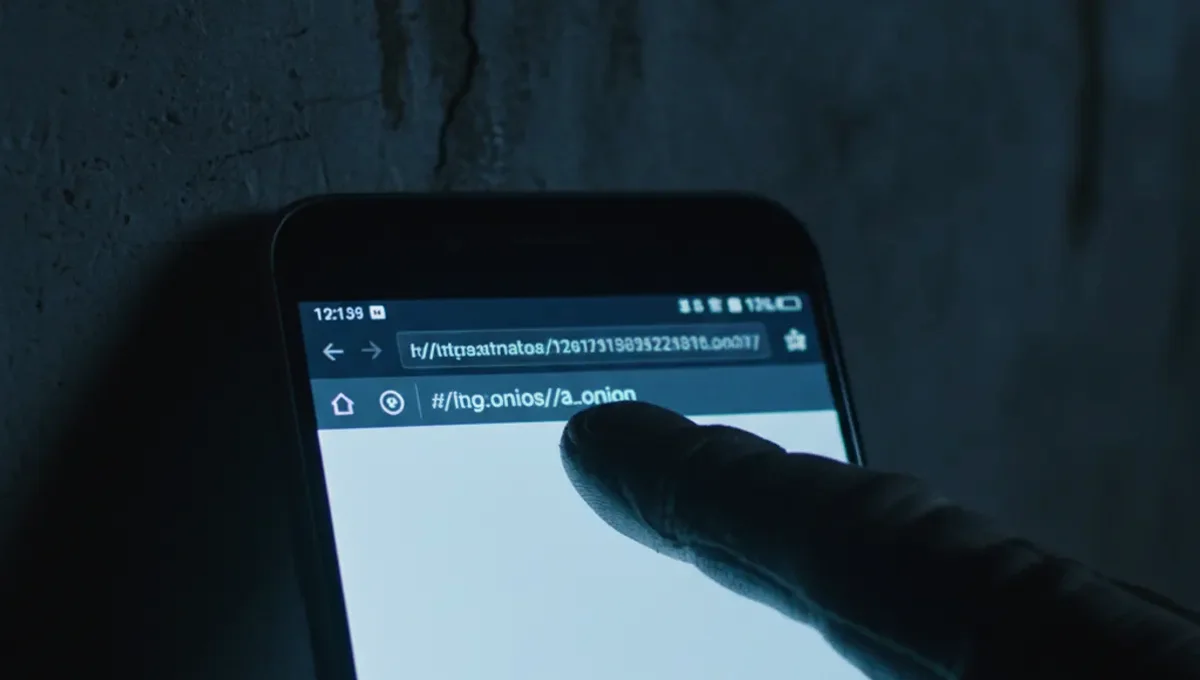
According to Tor Project documentation on onion services and phishing, the dark web hosts infrastructure that enables credential theft at scale, but the actual phishing pages are often hosted on clearnet servers or compromised legitimate sites, not exclusively on the dark web. This matters because it means the threat is not confined to users accessing Tor or the dark web; ordinary Instagram users are the primary targets. Law-enforcement agencies including the FBI and Europol have published reports on phishing-as-a-service operations, where attackers rent pre-built phishing kits and distribute them to other criminals. Court records from prosecutions of phishing rings show that attackers typically operate in organized groups, with specialized roles for page creation, distribution, and credential harvesting. Understanding this structure helps you recognize that dark website Instagram clones are not isolated incidents but part of a coordinated criminal ecosystem. Your defense is individual vigilance combined with awareness that these attacks are widespread and well-resourced.
Frequently Asked
Is there a real Instagram on the dark web?
No. Instagram does not operate on the dark web or Tor. Any Instagram-like site you find there is a phishing clone designed to steal your login credentials. Legitimate Instagram is only accessible through instagram.com or the official mobile app.
How can I tell if an Instagram login page is fake?
Check the URL in your browser's address bar before entering credentials. The real site is instagram.com only. Look for spelling errors, poor image quality, or unusual layouts. Never log in through links in emails or messages; open Instagram directly through the app or website instead.
What should I do if I accidentally entered my password on a fake Instagram page?
Change your Instagram password immediately using a different device or browser. Enable two-factor authentication if you have not already. Review your active sessions in the Instagram app to check for unauthorized logins. Contact Instagram support if you suspect your account has been compromised.
Can a dark website hacker access my Instagram if I have two-factor authentication enabled?
Two-factor authentication significantly reduces the risk, but it is not absolute. If an attacker has your password and your phone number, they may attempt to intercept your SMS code or use social engineering to bypass it. Use an authenticator app instead of SMS when possible for stronger protection.
Why do phishing scams target Instagram specifically?
Instagram accounts are valuable because they provide access to personal networks, direct messages, and linked financial information. Attackers can impersonate users, spread malware to followers, or extract sensitive data. The large user base and high trust in the platform make it an attractive target for credential theft operations.