Why 'Best' Means Something Different on the Dark Web
On the regular web, 'best' usually means most popular, fastest, or most feature-rich. On the dark web, 'best' typically means most trustworthy, least likely to be a law-enforcement honeypot, and least likely to steal your credentials or money. These criteria are almost impossible to verify before you visit a site. A website for dark web access that looks professional and has been around for years can still be a phishing clone or a scam. The lack of reputation systems, reviews, or accountability means that even experienced users rely on word-of-mouth verification through forums and encrypted chat, which itself is unreliable. Most people searching for the best dark web website are actually looking for a specific service: a marketplace, a forum, a news site, or a whistleblowing platform. Each of these has different trust markers and different risks.
How Onion Services Actually Work and Why It Matters
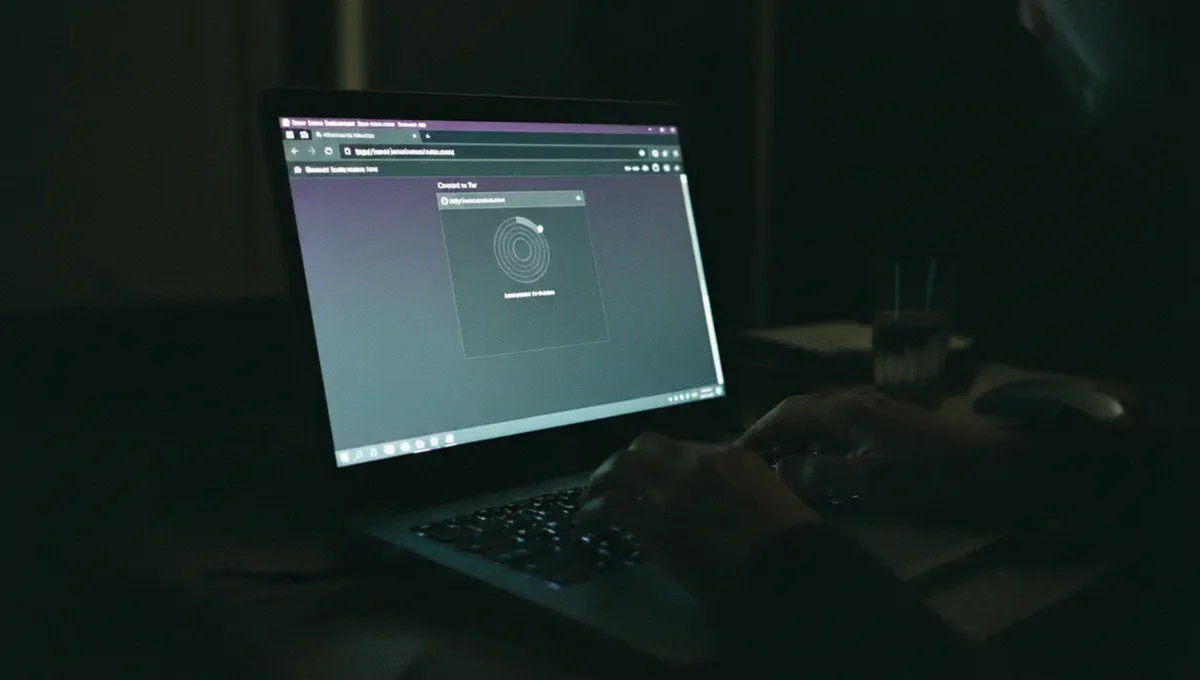
An onion service is a website hosted on the Tor network using a .onion address. The Tor Project documentation explains that these addresses are generated cryptographically and are extremely difficult to impersonate without the private key. This is the main security advantage: if you have the correct .onion address, you can be reasonably confident you are talking to the real service, not a clone. However, this only works if you obtain the address from a trusted source. Many people find .onion addresses through search results, forum posts, or links on other sites, all of which can be compromised or fake. A website dark web user who bookmarks an address without verifying it against a PGP-signed announcement from the service operator is taking a significant risk. The best website on dark web for any given purpose is the one whose address you can verify independently, not the one that appears first in a search or looks the most polished.
Verification: The Real Difference Between Safe and Unsafe Sites
To determine whether a website for dark web access is legitimate, follow these steps:
- Find the official .onion address from the service's PGP-signed announcement or from a trusted secondary source such as a news organization or security researcher.
- Compare the address you are about to visit character by character with the verified address.
- Check the SSL certificate or security indicator in your Tor Browser (though this is less reliable on onion services than on clearnet sites).
- Look for PGP signatures on any important announcements or updates from the site.
- If the site asks for a password or personal information, verify that you are on the correct address before entering anything.
Most users skip these steps because they are tedious. This is why phishing clones of popular dark web websites remain effective. A best dark web website is one that publishes its address in multiple places, signs its announcements with a consistent PGP key, and maintains a clear communication channel for security updates. Forums and marketplaces that do this are rare.
Reality Check: What Law Enforcement and Security Researchers Know
According to public law-enforcement press releases and court records, the majority of dark web marketplaces and forums that gain significant user bases eventually face seizure, exit scams, or internal theft. This matters because it means that the 'best' website on dark web at any given moment is likely to disappear or be compromised within months or years. Security-vendor incident reports consistently show that users of these sites lose money to exit scams, vendor theft, and law-enforcement takedowns. The Tor Project documentation notes that while Tor itself is a legitimate privacy tool, many of its users are engaged in illegal activity, and law enforcement has become increasingly skilled at deanonymizing users through traffic analysis, malware injection, and operational security mistakes. For ordinary users, this means that visiting any dark web website carries inherent risks beyond the technical security of the Tor network itself. The best website for dark web access is one that you visit rarely, with a clear purpose, and with realistic expectations about what can go wrong.
Common Misconceptions About Dark Web Websites
Many people believe that the dark web has a hidden Google, a secret Wikipedia, or a thriving community of journalists and activists. Some of these services do exist, but they are not easy to find, and many of the sites claiming to be these services are fakes. Another misconception is that dark web websites are inherently more secure or private than clearnet sites. In reality, a poorly configured onion service can leak metadata, and a user on the dark web can be deanonymized through their own mistakes just as easily as anyone else. A third misconception is that the best dark web website is one that has been around for a long time. Longevity on the dark web often correlates with either law-enforcement tolerance (because the site is useful for intelligence gathering) or with the operator's skill at avoiding detection. Neither of these is a guarantee of safety for users. The most dangerous misconception is that anonymity on the Tor network is absolute. It is not. Users who believe they are completely anonymous often take operational security shortcuts that lead to their identification.
What People Actually Use Dark Web Websites For
The most common legitimate uses are accessing information in countries with censorship, communicating securely with journalists or lawyers, and participating in forums about privacy and security. Whistleblowing platforms like SecureDrop accept anonymous submissions through Tor and are considered among the most trustworthy dark web websites by journalists and security professionals. News organizations and human rights groups maintain onion mirrors of their sites to ensure access in countries where they are blocked. Privacy-focused forums and discussion boards exist for people who want to discuss security topics without surveillance. These sites tend to have smaller user bases, stricter moderation, and clearer rules than marketplaces. The best website on dark web for these purposes is one that is run by a known organization, has a clear mission, and does not ask for money or personal information. Many of the sites that claim to offer these services are actually data-harvesting operations or law-enforcement honeypots.
How to Approach Dark Web Websites With Realistic Expectations
Start by asking yourself what you actually need. If you need to access information that is censored in your country, use a Tor Browser to access the clearnet version of a news site or an onion mirror published by a known organization. If you need to communicate securely, use a dedicated encrypted messaging app rather than relying on a dark web forum. If you are curious about how the dark web works, read about it on security blogs and news sites before visiting any onion services. If you do decide to visit a dark web website, use a dedicated virtual machine or a live operating system like Tails, verify the address multiple times, assume that the site may be compromised or monitored, and never assume that your anonymity is perfect. The best website for dark web access is not a destination; it is a tool that you use with a specific purpose and then leave. Treat every onion service as potentially hostile until you have strong evidence otherwise. This mindset will protect you far more than any ranking or recommendation.
Frequently Asked
Is there a search engine for the best websites on the dark web
No. The dark web has no central search engine or directory. Most people find onion addresses through forums, word-of-mouth, or news articles. Any site claiming to be a 'dark web search engine' or 'dark web directory' should be treated with extreme caution, as these are common phishing and honeypot tactics.
How do I know if a dark web website is real or a clone
Verify the .onion address against a PGP-signed announcement from the service operator or from a trusted news source. Compare the address character by character. If the site asks for a password or personal information, verify the address before entering anything. Never rely on how professional a site looks; clones can be very convincing.
What is the safest dark web website to visit
Onion mirrors of established news organizations and whistleblowing platforms like SecureDrop are generally considered safer because they are run by known organizations with reputations to protect. However, no dark web website is completely safe. Always use a dedicated virtual machine, verify addresses, and assume that any site could be compromised or monitored.
Can I be deanonymized while visiting a dark web website
Yes. While Tor provides strong anonymity, users can be deanonymized through malware, browser exploits, operational security mistakes, or metadata leaks. Law enforcement has successfully deanonymized dark web users through traffic analysis and other techniques. Anonymity on Tor is not absolute.
Why do dark web websites keep disappearing
Dark web marketplaces and forums are frequently seized by law enforcement, shut down by exit scams, or compromised by internal theft. The lack of legal protection and the high-risk environment mean that most popular dark web websites eventually fail or are taken down. This is why longevity is not a reliable indicator of trustworthiness.