What Dark Website Examples Tell Us About Onion Services
Dark website examples fall into several categories based on their purpose and user base. Whistleblowing platforms like SecureDrop instances allow journalists and sources to communicate securely without exposing identities. Discussion forums have historically served as communities for privacy advocates, security researchers, and people seeking information on anonymity tools. News outlets maintain onion mirrors to serve readers in countries with internet censorship. Marketplaces, the most controversial category, operated as peer-to-peer trading platforms where anonymity attracted both legitimate privacy-conscious commerce and illegal activity.
Each type of dark website example demonstrates a different aspect of how the Tor network functions. A forum requires stable hosting, moderation, and user trust mechanisms. A news mirror simply replicates content from a clearnet site. A marketplace needs escrow systems, dispute resolution, and vendor reputation tracking. These operational requirements shaped how each site was built, how it attracted users, and ultimately how vulnerable it was to law enforcement or technical failure.
Historical Marketplace Examples and How They Operated
Several large marketplaces became well-known examples of how dark websites scaled and eventually fell. These platforms used Tor for anonymity, cryptocurrency for payment, and escrow systems to reduce fraud between buyers and sellers. Vendors maintained reputation scores based on transaction history, similar to clearnet e-commerce sites. Moderators enforced rules against certain categories of goods, though enforcement was inconsistent and often ineffective.
Law enforcement agencies conducted undercover operations, seized servers, and arrested operators of major marketplaces. Court records and public indictments revealed how these sites were structured: a central database, user accounts, messaging systems, and payment processing. The seizures demonstrated that even sites believed to be technically untraceable could be identified through operational security failures, server logs, and cryptocurrency transaction analysis. These dark website examples show that anonymity technology does not guarantee immunity from investigation.
Forum Examples and Community-Based Dark Websites
Discussion forums represent a different category of dark website examples, focused on information sharing rather than commerce. These communities discussed privacy tools, security research, and anonymity techniques. Some forums required invitation or proof of knowledge to join, creating barriers against law enforcement infiltration. Moderation policies varied widely; some forums banned illegal content while others had minimal rules.
Forums demonstrated how reputation systems work on onion services. Users earned trust through consistent, helpful posts over months or years. Moderators were elected or appointed by community consensus. When a forum was seized or its operator arrested, the community often migrated to a new address or platform. These dark website examples illustrate that onion services are not permanent; they depend on the operator's continued commitment and ability to avoid detection. A forum can disappear overnight due to technical failure, operator burnout, or law enforcement action.
News Mirrors and Legitimate Dark Website Examples
Major news organizations maintain onion mirrors as dark website examples of non-criminal use. These mirrors serve readers in countries where the news outlet's clearnet site is blocked or heavily monitored. The BBC, ProPublica, and other outlets host read-only copies of their content on .onion addresses. These sites do not require anonymity for the operator; they are simply alternative access points for readers who need it.
News mirrors reveal that dark websites are not inherently illegal or suspicious. They serve a legitimate function for people living under censorship or surveillance. Accessing a news mirror through Tor does not indicate criminal intent; it indicates a desire for privacy or circumvention of censorship. These dark website examples are often cited by privacy advocates as proof that onion services have value beyond illegal markets. However, they also demonstrate that a .onion address alone tells you nothing about the site's legality or trustworthiness.
Phishing Clones and Fake Dark Website Examples
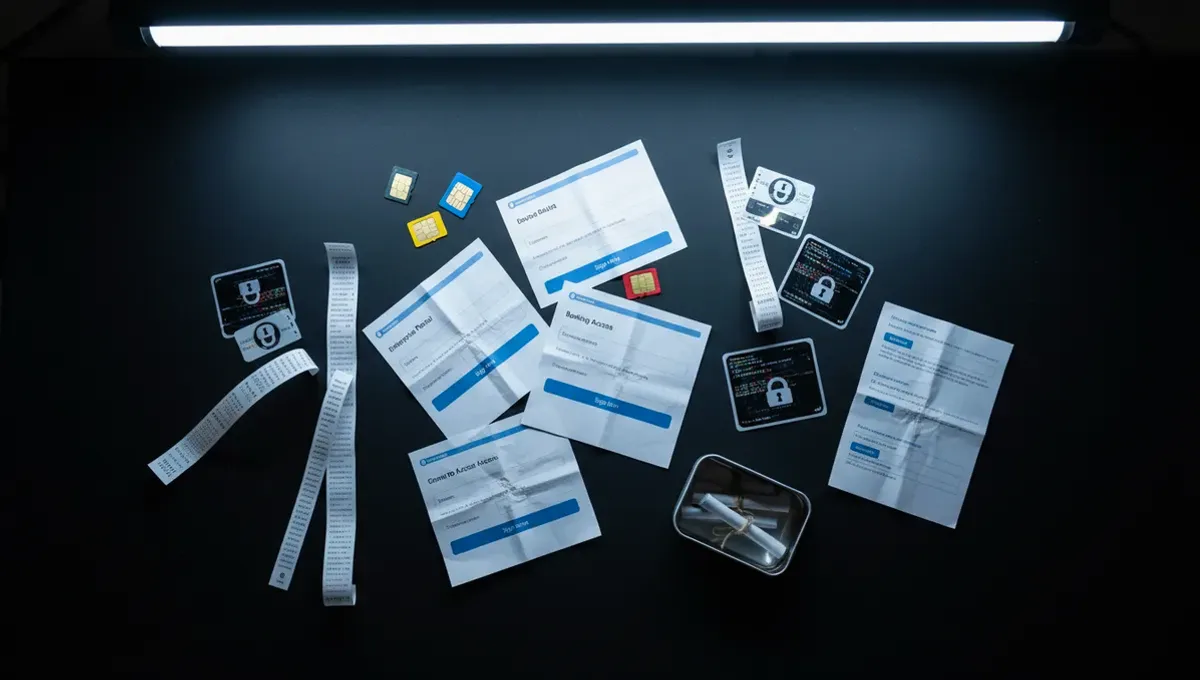
One of the most dangerous dark website examples is the phishing clone. Scammers create fake versions of popular marketplaces or forums, using similar names and layouts to trick users into entering credentials or sending cryptocurrency. A clone might be hosted at a different .onion address but appear nearly identical to the legitimate site. Users who do not verify the address through PGP-signed announcements or official channels often lose money or have their accounts compromised.
Phishing clones exploit the fact that .onion addresses are long, random strings that are difficult to memorize or verify visually. A user might bookmark what they believe is the real marketplace, only to discover months later that they bookmarked a clone. This is why the Tor Project and security researchers emphasize the importance of verifying addresses through multiple independent sources. Dark website examples like these show that anonymity technology protects against surveillance but not against social engineering or user error.
Reality Check: How Dark Websites Actually Get Caught
Understanding real dark website examples requires knowing how law enforcement has successfully targeted them. According to court records and public indictments, the most common vulnerabilities are operational security failures rather than technical breaches of Tor itself. Operators who reused usernames across sites, made mistakes in cryptocurrency transactions, or left identifying information in server logs were identified and arrested. Some sites were compromised when operators were physically located and their servers seized.
The Tor Project documentation emphasizes that Tor protects against network-level surveillance but does not protect against poor operational security. A dark website example that fails because the operator used their real name in an email, or because they accessed the admin panel from a non-Tor connection, demonstrates a human failure, not a technical one. Law enforcement has also used undercover agents to infiltrate communities, build trust, and gather evidence. These dark website examples show that anonymity is a tool that requires discipline to use effectively; carelessness undermines it completely.
Distinguishing Legitimate Dark Website Examples from Scams
When you encounter dark website examples, you need criteria to assess whether a site is legitimate or a scam. Check whether the site has a PGP-signed announcement on multiple independent sources, such as the official Useful Resources page of this site or established security forums. Verify that the .onion address matches the announced address exactly; do not rely on visual similarity. Look for a history of operation; legitimate sites have been running for years and have a documented reputation.
Legitimate dark website examples typically have clear moderation policies, transparent dispute resolution processes, and active communities. They maintain mirrors or backups in case of seizure. Scams, by contrast, often appear suddenly, lack verifiable history, and disappear when they have accumulated enough funds. If a site promises complete anonymity or guaranteed protection from law enforcement, it is almost certainly a scam. These dark website examples teach a practical lesson: verification takes time, but it is far cheaper than losing money to a phishing clone or exit scam.
What Dark Website Examples Teach About Tor Browser Security
Studying dark website examples reveals why Tor Browser configuration matters. Users who maximize their browser window size, install plugins, or use unusual fonts become easier to fingerprint and identify. Users who access dark websites while also using clearnet services on the same browser risk linking their identities. These dark website examples show that the tool is only as secure as the user's discipline in using it.
The Tor Project recommends using Tor Browser in its default configuration and avoiding customization. When you access dark website examples, keep your Tor Browser updated, disable JavaScript if the site does not require it, and use a separate browser profile or virtual machine for Tor if you are concerned about identity linking. These practices are not paranoia; they are standard operational security for people who rely on anonymity. Dark website examples that have survived for years often belong to users who follow these guidelines consistently.
Frequently Asked
What are the most common types of dark website examples
Dark websites include forums for discussion and information sharing, marketplaces for peer-to-peer commerce, news mirrors for censorship circumvention, and whistleblowing platforms. Each type serves different users and operates under different rules. Forums emphasize community and reputation; marketplaces use escrow and vendor ratings; news mirrors are read-only copies of clearnet content; whistleblowing platforms prioritize source protection.
How do dark website examples get shut down by law enforcement
Most seizures result from operational security failures rather than technical breakthroughs in Tor. Operators who reused usernames, made mistakes in cryptocurrency transactions, or accessed admin panels from non-Tor connections were identified. Some sites were compromised when undercover agents infiltrated communities or when servers were physically located and seized. These dark website examples show that anonymity requires consistent discipline.
How can I tell if a dark website example is a phishing clone
Verify the .onion address against PGP-signed announcements from official sources, not just the site itself. Phishing clones use similar names and layouts but different addresses. Check whether the site has a documented history of operation and a reputation in established communities. If a site appeared recently and promises guaranteed anonymity or protection from law enforcement, it is likely a scam.
Are all dark website examples illegal
No. News organizations maintain onion mirrors for readers in censored countries. Whistleblowing platforms serve journalists and sources. Privacy advocates use forums to discuss security tools. These dark website examples are legal and serve legitimate purposes. However, anonymity does attract illegal activity, so many dark websites do host illegal content or services.
What is the difference between dark website chrome and accessing dark websites through Tor Browser
Tor Browser is the official, secure way to access onion services. It is configured to protect against fingerprinting and identity linking. Using a regular browser like Chrome with a proxy or VPN does not provide the same protections and may expose your identity. Dark website examples are designed to be accessed through Tor Browser for maximum security.