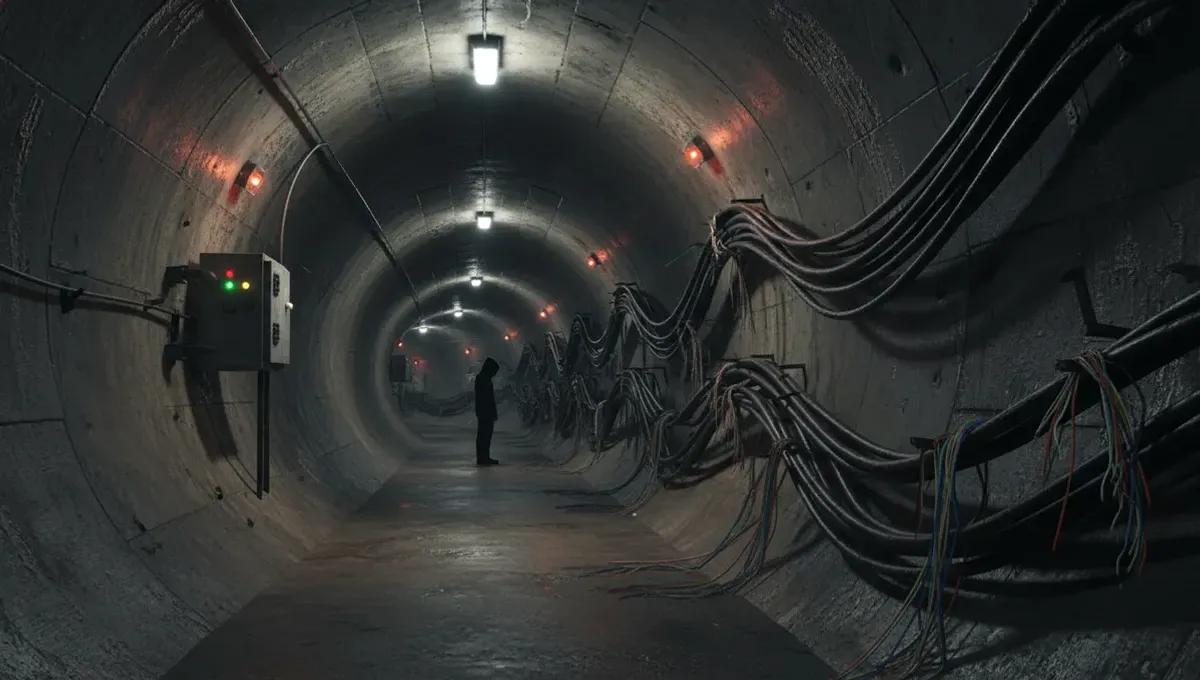
What Dark Web Video Websites Actually Are
Dark web video websites are onion services that claim to host video content, ranging from documentaries and leaked footage to material obtained through data breaches. Most operate as marketplaces or forums where users can upload, share or request videos. The reality is far less dramatic than the name suggests. Many are exit scams where operators collect cryptocurrency and vanish. Others are run by law enforcement as honeypots to identify and prosecute users. A significant portion are simply mirrors or clones of defunct sites, designed to phish credentials or distribute malware. The best dark web websites for legitimate purposes (privacy-focused forums, security research communities) rarely host video as their primary function. Understanding this distinction matters because searching for dark web video websites often leads to sites that exploit curiosity rather than serve any genuine purpose.
How These Sites Operate and Why They Fail
Most dark web video websites follow a predictable pattern. An operator registers an onion address, sets up basic hosting infrastructure, and advertises the site on forums or through word-of-mouth. Users are promised access to exclusive or restricted content. Payment is typically in Bitcoin or Monero. The operator then either disappears with the funds, delivers malware instead of content, or faces seizure by law enforcement. The Tor Project documentation notes that onion services are not inherently anonymous for operators; metadata leaks, operational security mistakes, and correlation attacks have repeatedly exposed site administrators. This matters because it means the people running these sites are often caught within months. The best dark web websites 2024 that have survived longer than a year tend to be forums focused on security discussion or privacy advocacy, not video hosting. Video hosting requires significant bandwidth and storage, making it expensive and difficult to maintain anonymously.
The Reality Layer: What Actually Happens
Three key insights shape how dark web video websites actually behave. First, according to public law-enforcement press releases, the majority of video-hosting onion services seized in the past five years were either child exploitation material repositories or stolen corporate surveillance footage. This matters because it means the ecosystem is dominated by illegal content, not censored documentaries or whistleblower leaks. Second, Tor Project documentation and security-vendor incident reports confirm that most users who access these sites are either law enforcement undercover, honeypot visitors, or people whose devices become infected with malware within minutes of visiting. Third, court records from prosecutions of dark web operators show that even basic operational security is rare; most site administrators use the same usernames across multiple platforms, reuse email addresses, or fail to properly isolate their hosting infrastructure. This matters because it explains why these sites are so frequently shut down and why the people running them are often identified and prosecuted.
Phishing Clones and Verification Problems
One of the most common dangers on the dark web is the proliferation of phishing clones. When a dark web video website gains any reputation, scammers create fake versions with nearly identical names and interfaces. A user might visit what they think is the real site, enter credentials, and have their wallet drained or their device compromised. Verifying the authentic onion address is critical but difficult. The Tor Project recommends checking PGP-signed announcements from official sources, but most dark web video websites do not publish signed addresses or maintain official communication channels. This creates a catch-22: if a site is legitimate enough to have a verified address, it is usually not a video hosting site. If it is a video hosting site, there is no reliable way to verify whether the address you have is real or a clone. This is why the best dark web websites 2022 and beyond that have survived tend to be forums or communities with established reputations and multiple independent verification methods, not anonymous video repositories.
Why People Search for These Sites and What They Actually Find
People search for dark web video websites for several reasons: curiosity about restricted content, belief that leaked material exists there, or hope of finding uncensored documentaries. What they actually find is usually one of the following. A fake site that asks for payment and delivers nothing. A malware distribution vector disguised as a video player. A honeypot run by law enforcement. Occasionally, a legitimate forum where security researchers discuss vulnerabilities or privacy advocates share information. The dark web websites video category is so saturated with scams that even experienced users struggle to distinguish real from fake. The top dark web websites for legitimate purposes (privacy forums, security research communities, whistleblower platforms) rarely advertise themselves as video sites. They focus on text-based discussion, document sharing, and secure communication. This matters because it means anyone actively searching for dark web video websites is statistically more likely to encounter a scam or law enforcement operation than actual content.
Security Risks and How You Get Compromised
Visiting dark web video websites carries multiple overlapping risks. First, the Tor Browser itself is secure, but many video players and media codecs have known vulnerabilities that can be exploited to reveal your IP address or install malware. Second, many sites use fake video players that are actually credential harvesters or malware droppers. Third, even if the site is real, downloading files from untrusted sources on the dark web is extremely risky. Malware distribution is rampant. Fourth, the act of visiting certain sites can itself be logged by law enforcement or recorded by honeypots. Fifth, if you interact with the site (upload content, create an account, send messages), you generate metadata that can be correlated across multiple visits and potentially deanonymized. The best dark web websites 2024 that prioritize user security implement strict upload restrictions, do not require accounts, and use ephemeral storage. Most video hosting sites do none of these things.
What to Do Instead: Legitimate Alternatives
If you are interested in privacy, security research, or accessing restricted information, there are far safer approaches than searching for dark web video websites. Use the Useful Resources page on this site to find verified links to legitimate Tor-hosted forums and communities. Read security research published by academic institutions and independent security vendors. Access documentaries and restricted content through legal channels like libraries, university databases, or international news organizations. If you believe you have found evidence of a crime (stolen data, exploitation material), report it to the National Center for Missing and Exploited Children (NCMEC) or your local law enforcement agency rather than attempting to verify it yourself. If you are interested in privacy and anonymity, learn how the Tor Browser works, set up a secure operating system like Tails, and practice good operational security. These approaches are safer, legal, and actually effective. The core takeaway is this: dark web video websites are not a reliable source of anything. They are either scams, honeypots, or malware vectors. The people running them are frequently caught. The people visiting them are frequently compromised. If you have a legitimate need for restricted information or privacy, there are documented, safer methods that do not involve searching for anonymous video repositories.
Frequently Asked
Are dark web video websites real or mostly scams
Most are scams, honeypots, or malware vectors. Law enforcement press releases document that the majority of seized video-hosting onion services were either child exploitation repositories or stolen corporate footage. Even sites that appear legitimate often disappear with user payments or deliver malware instead of content. Legitimate dark web communities focus on text-based discussion, not video hosting.
How do I know if a dark web video website is a phishing clone
Phishing clones are extremely common and difficult to distinguish from real sites. The safest approach is to verify the onion address through PGP-signed announcements from official sources. Most video hosting sites do not publish verified addresses, which is itself a red flag. If you cannot find a cryptographically signed announcement, assume the site is either fake or not worth visiting.
What happens if I visit a dark web video website
You risk malware infection, credential theft, IP address exposure through media player exploits, and potential law enforcement logging if the site is a honeypot. Even if the site is real, downloading files is extremely risky. The Tor Browser itself is secure, but the sites you visit and the files you download are not vetted or safe.
Why do dark web video websites get shut down so quickly
Court records show that most operators lack basic operational security, reuse usernames across platforms, and make mistakes that expose their identity. Law enforcement actively monitors onion services. Bandwidth and storage requirements for video hosting make it expensive and difficult to maintain anonymously. Most sites are seized within months of launch.
What is a safer way to access restricted or leaked content
Use legal channels like libraries, university databases, and international news organizations. If you have evidence of a crime, report it to law enforcement rather than attempting to verify it yourself. If you are interested in privacy and security, learn how Tor works, use secure operating systems like Tails, and practice good operational security instead of visiting anonymous video repositories.