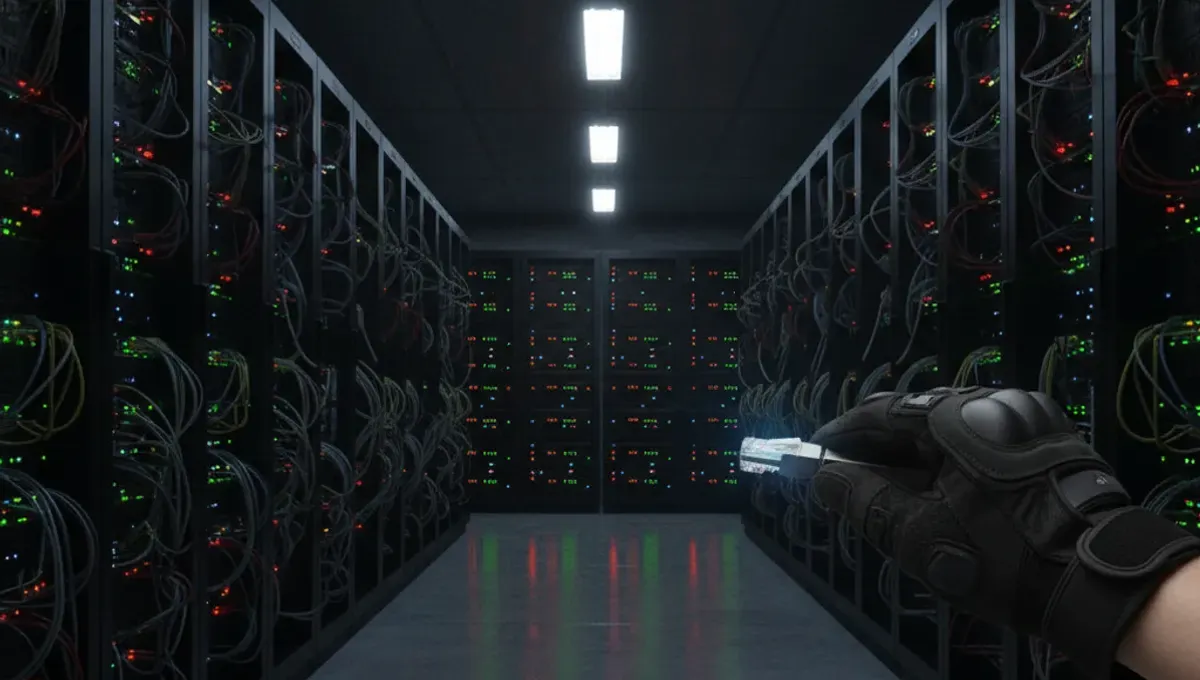
What Dark Web Free Sites Actually Are
Dark web free sites are web services hosted on the Tor network and accessible through the Tor Browser. They include discussion forums, file-sharing platforms, news outlets, libraries of books and academic papers, and marketplaces. Unlike the surface web, these sites do not require traditional payment methods to access, though some may ask for donations or voluntary contributions.
The term "free" refers to the absence of a paywall, not the absence of risk. A dark web site for free books might be a legitimate archive run by privacy advocates, or it might be a honeypot collecting IP addresses. A dark web sites app free might distribute tools for anonymity or malware designed to steal cryptocurrency. The lack of centralized oversight means you cannot rely on a brand name or corporate reputation to signal trustworthiness.
How Free Sites on the Dark Web Operate
Free dark web sites operate on a decentralized model with minimal infrastructure costs. A forum might run on a single server, funded by the operator's own resources or community donations. A dark web sites for video free might use peer-to-peer hosting or distributed file systems to avoid hosting costs. Some sites generate revenue through advertising, affiliate links, or cryptocurrency donations, which they disclose to users.
Operators maintain anonymity using Tor and often rotate their onion addresses to avoid law enforcement targeting. They may use shared hosting providers that accept cryptocurrency payments and ask few questions. This low barrier to entry means new sites appear constantly, and old ones disappear or migrate when they face pressure. The lack of domain registration records and WHOIS data makes it impossible to verify who runs a site or where it is physically located.
Reality Layer: How the Ecosystem Actually Behaves
Three critical insights shape how dark web free sites function:
- Phishing clones are endemic. According to Tor Project documentation on onion service security, attackers register lookalike .onion addresses that differ by a single character from legitimate sites. A user seeking a dark web sites for free books might land on a clone that harvests credentials or distributes malware. This matters because you cannot rely on bookmarks or search results; you must verify addresses through PGP-signed announcements from the operator.
- Exit scams and honeypots are common. Court records from law enforcement actions show that many dark web marketplaces and forums were either operated by criminals or infiltrated by law enforcement posing as users. A site offering free services today might vanish tomorrow with user data, or it might be a sting operation. This matters because your activity on any dark web site could be logged and used against you if the site is compromised.
- Malware distribution is rampant. Security vendor incident reports document that dark web sites offering free apps, tools, or files frequently bundle malware designed to steal cryptocurrency wallets, harvest credentials, or deploy ransomware. This matters because downloading from an unverified source can compromise your entire device, not just your anonymity.
Verification and Phishing Prevention
Verifying that a dark web site is legitimate requires multiple steps:
- Check the official announcement channels of the site operator, typically a PGP-signed post on a trusted forum or their official social media account.
- Compare the .onion address character-by-character with the announced address; do not rely on visual similarity.
- Check the site's SSL certificate fingerprint if available; a legitimate site will publish this in advance.
- Look for consistent operator behavior: legitimate sites maintain a consistent posting history and respond to community feedback.
- Cross-reference the site on the Useful Resources page of this site and on community forums where users discuss active, verified addresses.
Phishing clones typically have slightly different addresses, broken layouts, or requests for passwords or wallet information that the real site does not ask for. If a site suddenly asks you to re-enter credentials, assume it is a clone and verify the address immediately.
Common Threats on Free Dark Web Sites
Free dark web sites expose you to several specific threats. Malware bundled with downloads can capture your keystrokes, steal cryptocurrency, or deploy ransomware. Phishing pages designed to look like legitimate sites harvest login credentials and personal information. Exit scams occur when a site operator collects user data or funds and disappears. Law enforcement honeypots record your activity and can be used to build cases against you if you engage in illegal conduct.
A dark web sites app free might promise anonymity tools but actually install spyware. A dark web sites to visit free might be a forum where undercover agents pose as vendors to identify buyers of illegal goods. A dark web sites for video free might require you to run JavaScript, which can deanonymize your IP address if the Tor Browser is not properly configured. Each type of site carries distinct risks depending on its purpose and operator.
Safe Practices When Accessing Free Sites
Minimize your exposure by following these practices:
- Use the latest version of the Tor Browser and keep your operating system fully patched.
- Disable JavaScript in Tor Browser settings to prevent deanonymization attacks.
- Never maximize your browser window; use a smaller window size to prevent fingerprinting.
- Do not download files unless you have verified the site and understand the source.
- Use a dedicated virtual machine or operating system like Tails for sensitive activity.
- Never enable plugins or extensions in Tor Browser.
- Assume that any site could be monitored by law enforcement or operated by criminals.
Verify addresses through multiple independent sources before visiting. If a site asks for personal information, cryptocurrency, or system access, assume it is malicious. Do not assume that a site's age or reputation guarantees safety; even long-running sites can be compromised or exit scam.
Why People Use Free Dark Web Sites and What to Know
Users access dark web free sites for legitimate reasons: journalists seeking uncensored news, activists in repressive countries, researchers studying privacy technology, and people protecting sensitive personal data. Others seek dark web sites for free books to access academic papers behind paywalls, or dark web sites to visit free to participate in communities where they can speak without surveillance.
However, the same infrastructure that protects legitimate users also shields criminals. A marketplace advertised as free might facilitate illegal sales. A forum might be used to coordinate fraud or distribute stolen data. Your presence on any dark web site does not imply illegal intent, but your activity can be monitored, and your device can be compromised. The key distinction is understanding what you are actually accessing and what risks you are accepting.
Next Steps: Verify Before You Visit
The core takeaway is this: free dark web sites are real and serve genuine purposes, but they are also the primary vector for phishing, malware, and law enforcement operations. You cannot trust a site because it is free, because it has been around for a while, or because other people recommend it.
Start by visiting the Useful Resources page of this site to find verified, PGP-signed announcements from operators of legitimate dark web communities. Cross-reference any address you plan to visit against multiple independent sources. Set up a dedicated virtual machine or use Tails before accessing any site. Disable JavaScript, use the latest Tor Browser, and never download files from unverified sources. These steps will not guarantee safety, but they will significantly reduce your exposure to scams, malware, and law enforcement traps.
Frequently Asked
Are dark web free sites safe to visit
No site on the dark web is inherently safe. Free sites are common vectors for phishing, malware, and law enforcement operations. Safety depends on verifying the site's address through PGP-signed announcements, using the latest Tor Browser, disabling JavaScript, and understanding the specific risks of the site you are visiting. Even legitimate sites can be compromised.
How do I know if a dark web site is real or a phishing clone
Verify the .onion address character-by-character against the official announcement from the site operator, typically a PGP-signed post. Check the site's SSL certificate fingerprint if published. Phishing clones usually have slightly different addresses, broken layouts, or unusual requests for credentials. Never trust visual similarity or search results; always verify independently.
What happens if I download files from a free dark web site
Downloaded files may contain malware designed to steal cryptocurrency, harvest credentials, or deploy ransomware. Always verify the source and checksum of any file before downloading. Use a dedicated virtual machine to isolate the risk. If you are unsure about a file's legitimacy, do not download it.
Can law enforcement monitor dark web free sites
Yes. Law enforcement has operated honeypots and infiltrated forums and marketplaces on the dark web. Your activity on any site can be logged and used against you if the site is compromised or operated by law enforcement. Assume that any site could be monitored, and avoid engaging in illegal conduct.
What is the difference between a dark web site and a surface web site
Dark web sites are hosted on the Tor network and accessible only through the Tor Browser. They use .onion addresses instead of traditional domains. Surface web sites are indexed by search engines and accessible through standard browsers. Dark web sites offer anonymity for both users and operators, which attracts both legitimate privacy advocates and criminals.