What Are Dark Web CC Sites
Dark web CC sites are online marketplaces, typically hosted on Tor, where stolen credit card data is listed for sale. These platforms operate similarly to legitimate e-commerce sites, complete with user accounts, vendor ratings, escrow systems and dispute resolution. The primary commodity is full card details: cardholder name, card number, expiration date and CVV code, often bundled with personal information like address and phone number.
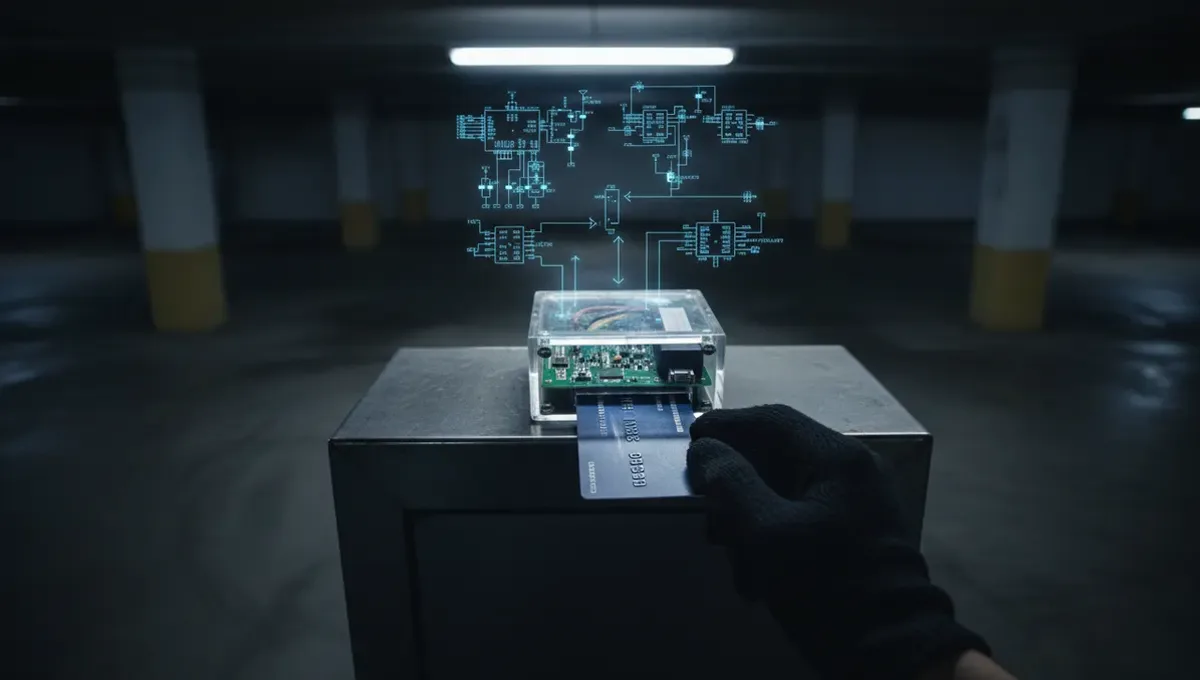
Vendors on these sites acquire card data through data breaches, skimming devices, phishing campaigns or insider theft. Buyers range from small-time fraudsters testing cards to organized crime rings conducting large-scale fraud. The best dark web sites for carding maintain operational security through PGP encryption, multi-signature wallets and strict vendor vetting. Prices vary based on card type, issuing bank, country of origin and whether the card has been tested for validity.
How Carding Marketplaces Built Trust and Scale
Early dark web CC sites succeeded by mimicking legitimate marketplace design. They introduced vendor reputation systems, allowing buyers to leave feedback and ratings. Vendors who consistently delivered valid card data earned trust scores, which allowed them to charge premium prices and attract repeat customers. Escrow mechanisms held cryptocurrency payments until buyers confirmed the card data worked, reducing the risk of outright theft between parties.
Operators of the best dark web sites for carding also invested in customer service. They offered refunds for invalid cards, provided tutorials on how to use stolen data, and maintained forums where buyers shared techniques. Some marketplaces published their own security guidelines and banned certain types of fraud to avoid law enforcement attention. This professionalization transformed carding from a chaotic, high-risk activity into a structured underground economy with clear rules and incentives.
The Role of Data Breaches in Supplying CC Sites
Dark web CC sites depend entirely on a steady supply of stolen card data, which originates from large-scale data breaches. When retailers, payment processors or financial institutions suffer breaches, millions of card records are exposed. Threat actors then sell these datasets to resellers, who parse the data, validate it and list it on marketplaces in smaller batches.
The supply chain works like this:
- A breach occurs at a merchant or service provider
- Attackers extract card data and sell it to wholesalers
- Wholesalers test a sample of cards and resell in bulk to retailers
- Retailers list individual or small batches on dark web CC sites
- End buyers purchase cards and attempt fraudulent transactions
This tiered structure insulates each participant from direct liability. A vendor on a dark web CC site may never know the original source of the data they are selling. The fragmentation also makes it harder for law enforcement to trace stolen data back to a single breach.
Law Enforcement Actions Against Carding Marketplaces
Major dark web CC sites have been repeatedly seized or shut down by law enforcement. Court records and public law-enforcement press releases document takedowns of prominent marketplaces, often resulting in arrests of operators and key vendors. These operations typically involve international cooperation, undercover purchases to identify vendors, and forensic analysis of seized servers to recover transaction records and user data.
When a marketplace is seized, its operator may face charges including wire fraud, identity theft, money laundering and conspiracy. Vendors are often prosecuted separately based on the volume of cards they sold and the financial losses attributed to their sales. However, the dark web CC ecosystem is resilient. Within weeks or months of a major takedown, new marketplaces emerge, often using similar branding or claiming to be successor projects. This cycle reflects the ongoing demand for stolen card data and the relative ease of launching a new Tor site.
Reality Check: Why Carding Remains Profitable Despite Risks
Several factors explain why dark web CC sites persist despite law enforcement pressure and the inherent risks to participants. First, the barrier to entry for buyers is low. A person with basic technical knowledge can access Tor, purchase cryptocurrency and buy card data within hours. Second, the financial incentive is immediate. A single stolen card can yield hundreds of dollars in fraudulent purchases before the cardholder notices and the card is cancelled.
Third, attribution is difficult. A buyer who uses stolen card data for online purchases leaves a digital trail, but that trail often leads to drop addresses, money mules or reshipping networks rather than the original fraudster. Fourth, victims are often insulated from the direct cost. Banks and merchants absorb most fraud losses, which are then passed to consumers through higher fees and prices. This diffusion of harm reduces the perceived risk to individual fraudsters. Finally, the dark web CC ecosystem benefits from the same anonymity infrastructure that protects journalists and activists, making it harder for law enforcement to monitor without compromising legitimate privacy tools.
How Victims Are Identified and Targeted
Stolen card data on dark web CC sites is often accompanied by personal information that makes victims easier to target. A card listing might include the cardholder's name, address, phone number, email and even social security number if it was captured in the same breach. Fraudsters use this information to impersonate the victim, open new accounts or conduct social engineering attacks.
Some dark web top sites for carding organize data by geography, card type or issuing bank, making it easier for fraudsters to target specific demographics. Premium listings include details like employment history or credit score, which help fraudsters decide whether to attempt high-value fraud. Victims often do not realize they have been compromised until they see unauthorized charges or receive calls from creditors about accounts they did not open. By that time, the fraudster has moved on and the card data has been resold multiple times.
Protecting Yourself From Carding Fraud
Understanding how dark web CC sites operate helps you reduce your own risk. Monitor your credit reports regularly through official channels and set up fraud alerts with your bank. Use strong, unique passwords for financial accounts and enable multi-factor authentication wherever available. When shopping online, use a credit card rather than a debit card, since credit cards offer stronger fraud protections.
Consider using a virtual card number or a payment service that masks your actual card details. Be cautious with emails claiming to be from your bank or merchants, as phishing is a common way card data is initially compromised. If you suspect your card has been stolen, contact your bank immediately and request a replacement. Check your credit reports for unauthorized accounts and place a fraud freeze if necessary. While you cannot prevent all breaches, these steps significantly reduce the window of opportunity for fraudsters to use your data.
Moving Forward: Staying Informed Without Becoming a Target
The existence of dark web CC sites reflects a fundamental tension in internet security. The same technologies that enable privacy and anonymity for legitimate users also protect criminals. Rather than viewing the dark web as inherently criminal, it is more accurate to recognize that any tool can be misused. Your role is to understand the risks, implement practical defenses and stay informed about how fraud actually works.
Read security advisories from your bank and the organizations you do business with. Follow news about major data breaches and assess whether your information might have been exposed. If you work in cybersecurity or law enforcement, contribute to the effort to disrupt these marketplaces through proper channels. For everyone else, the key takeaway is simple: the dark web CC sites that make headlines are just the visible part of a much larger fraud ecosystem. Protecting yourself means staying vigilant about your own data, not trying to police the dark web yourself.
Frequently Asked
How do dark web CC sites get credit card data
Card data comes from data breaches at retailers and financial institutions, skimming devices, phishing attacks and insider theft. Attackers sell stolen datasets to resellers, who parse and validate the data before listing it on dark web marketplaces. The supply chain is fragmented, so vendors often do not know the original source of the cards they are selling.
Can you get caught buying from dark web CC sites
Yes. Law enforcement monitors these marketplaces, makes undercover purchases and traces transactions through cryptocurrency analysis and server forensics. Buyers who use stolen card data for purchases leave digital trails that can be traced to drop addresses or money mules. Many buyers and vendors have been prosecuted for fraud, identity theft and money laundering.
What happens if my card data is sold on the dark web
Monitor your credit reports and bank statements for unauthorized charges. Contact your bank immediately if you see fraud. Request a replacement card and place a fraud freeze on your credit if necessary. Most credit card fraud is caught quickly, and banks typically reverse fraudulent charges, but the process can be time-consuming and stressful.
How do dark web CC sites stay online if they are illegal
They use Tor for anonymity, operate from jurisdictions with weak law enforcement, and move quickly when threatened. When one marketplace is seized, others emerge within weeks. The decentralized nature of the dark web makes it difficult to shut down the entire ecosystem, though law enforcement continues to target major operators.
Are dark web CC sites the only source of stolen card data
No. Card data is also sold through private channels, encrypted messaging groups and forums. However, dark web CC sites are the most visible and accessible marketplaces for bulk purchases. Much stolen data never reaches the dark web and is used directly by the thieves or sold through underground networks.