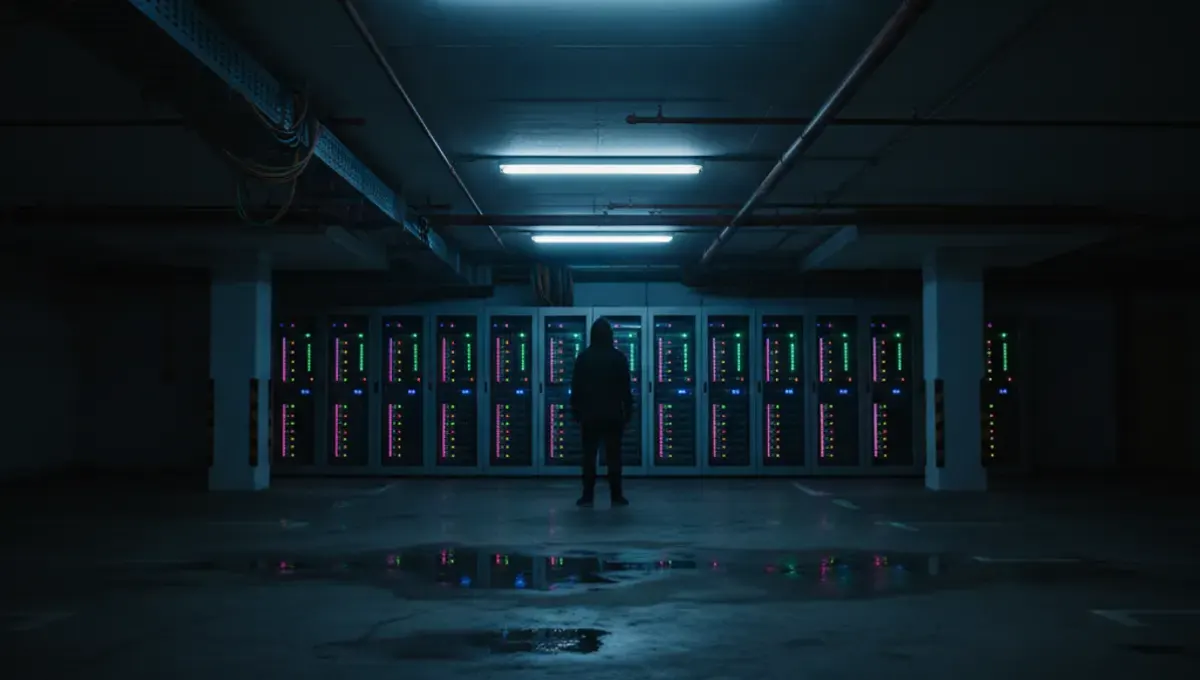
What Makes a Dark Web Site Unusual
A site becomes notable on the dark web not because it is inherently extreme, but because it operates without the constraints of traditional hosting, payment systems, or legal jurisdiction. Some sites host leaked databases and research archives. Others are forums where people discuss topics that would face censorship elsewhere. Still others are marketplaces that have been the subject of law-enforcement action.
The term craziest is subjective. To one person, it means a site with shocking content. To another, it means a technical achievement or a community that has survived for years despite pressure. What unites them is that they are difficult to find, require specific knowledge to access safely, and often attract attention from researchers and law-enforcement agencies.
Most craziest dark web sites are not actively promoted. They survive through word-of-mouth, forum posts, and word-of-mouth verification. This means that many of the sites you might read about online are either defunct, phishing clones, or honeypots set up by security researchers.
Leaked Data Archives and Information Repositories
Some of the most visited dark web sites are archives that host leaked documents, research papers, and databases. These range from whistleblower platforms to collections of academic material that is restricted in certain countries. A well-known example is a site that mirrors books and academic journals, allowing researchers in countries with limited library access to read material freely.
These repositories attract attention because they operate outside copyright and censorship frameworks. They are not inherently criminal; many host material that is legal to distribute but restricted by geography or institutional policy. However, they also sometimes host stolen corporate data, medical records, or personal information that was obtained illegally.
The craziest aspect of these sites is often their longevity and scale. Some have been operating for over a decade, surviving takedowns and maintaining mirrors across multiple servers. Users verify their authenticity through PGP signatures and community reputation, not through flashy marketing.
Forums and Discussion Communities
Dark web forums function similarly to Reddit or traditional bulletin boards, but with stronger anonymity and fewer moderation rules. Some host discussions about technology, privacy, and security. Others focus on niche hobbies or communities that face discrimination on the surface web. A few have become known for hosting discussions related to cybercrime, though many such forums are honeypots or law-enforcement operations.
What makes these communities unusual is not always their content, but their governance. Many operate on a reputation system where users earn trust through consistent participation and verified contributions. Moderators enforce rules, but without the corporate infrastructure of mainstream platforms. This creates spaces where people can speak freely, but also where scams and illegal activity can flourish.
The best dark web sites in this category are those with transparent moderation policies, active administrators, and community-driven verification. The worst are those with anonymous operators, no clear rules, and a history of exit scams or data breaches.
Marketplaces and Their Operational Models
Dark web marketplaces have been the subject of extensive law-enforcement investigation and academic research. These sites typically use escrow systems, vendor ratings, and encrypted messaging to facilitate transactions. Some have operated for years before being seized; others were honeypots from the start.
The operational model of these sites is what makes them noteworthy. They use cryptocurrency for transactions, multisig escrow to prevent theft, and PGP encryption for communication. Vendors build reputation through reviews, and the platform takes a percentage of sales. This structure mirrors legitimate e-commerce, but without legal oversight or buyer protection.
What is often overlooked is that many marketplace users are not buying illegal goods. Some use these sites to purchase items that are legal but difficult to find, or to avoid surveillance by payment processors. However, the anonymity and lack of regulation also make these sites targets for scammers, law-enforcement operations, and exit scams where administrators disappear with user funds.
Reality Check: How the Ecosystem Actually Works
The Tor Project documentation emphasizes that onion services are designed for privacy, not for hosting illegal content. However, the anonymity they provide makes them attractive to people operating outside the law. Law-enforcement agencies have successfully infiltrated and shut down major marketplaces by identifying operators through transaction analysis, server logs, and informants.
Security researchers have documented that many craziest dark web sites are either defunct, phishing clones designed to steal credentials, or honeypots operated by law-enforcement. The barrier to entry for creating a clone is low; anyone can copy the design and interface of a popular site and host it on a new .onion address. This is why verification through PGP signatures and community reputation is critical.
A key insight from court records and incident reports is that most users who suffer losses on the dark web do so through their own operational security failures, not because the technology is inherently broken. This includes reusing usernames, clicking suspicious links, and trusting unverified addresses. Understanding this helps you assess risk realistically.
How to Verify Whether a Site Is Real
If you encounter a dark web site that claims to be one of the best sites for dark web access or a famous marketplace, verification is essential. Follow these steps to assess authenticity:
- Check for a PGP-signed announcement on the official communication channel (usually a forum post or a linked page on the Tor Project's directory).
- Compare the .onion address character-by-character with multiple independent sources; do not rely on a single link.
- Look for a history of the site on security blogs and research papers; established sites are often documented by researchers.
- Verify that the site uses HTTPS and displays a valid certificate (though this is not a guarantee of legitimacy).
- Check the community reputation on forums and discussion boards; ask other users whether they have used the site and whether they trust it.
If a site claims to be a mirror or clone of a famous marketplace, assume it is a phishing attempt unless you can verify it through an official PGP-signed announcement. The best sites in dark web communities are those that are transparent about their operators, have clear policies, and maintain consistent communication with users.
Why Craziest Does Not Always Mean Most Dangerous
The craziest dark web sites are often the ones that attract the most attention from journalists and security researchers. However, attention does not correlate with danger. A site that hosts leaked academic papers is unusual, but it poses less direct risk to users than a marketplace with a history of exit scams or law-enforcement infiltration.
The most dangerous sites are those with poor operational security, unverified operators, and a track record of theft or fraud. These are not always the most famous ones. In fact, many users who suffer losses do so on lesser-known sites where they let their guard down because they assume the site is too small to be a scam.
Understanding this distinction helps you navigate the dark web with realistic expectations. The goal is not to find the craziest site, but to understand how the ecosystem works, how to verify information, and how to protect yourself from common threats like phishing, malware, and social engineering.
What You Should Do Instead of Chasing Novelty
If you are curious about the dark web, the most valuable approach is to learn how the technology works, not to hunt for unusual sites. Start by understanding Tor, onion services, and the basics of operational security. Read documentation from the Tor Project and security researchers. Join established communities where people discuss privacy and security openly.
If you have a specific need, such as accessing information that is censored in your country or communicating securely, focus on that goal rather than exploring for its own sake. The best sites dark web communities are those aligned with your actual purpose, not the ones with the most shocking reputation.
Today, you can start by visiting the Useful Resources page on this site to find verified links to official projects, research papers, and security guides. This gives you a foundation to understand the dark web as a technology and ecosystem, rather than as a source of novelty or danger.
Frequently Asked
What are the craziest dark web sites people talk about
The most discussed sites include leaked data archives, discussion forums, and marketplaces that have been the subject of law-enforcement action. Many of the sites people read about online are either defunct, phishing clones, or honeypots. Verification through PGP signatures and community reputation is essential before trusting any address.
Are the best dark web sites actually dangerous
Risk depends on how you use them and your operational security, not on the site itself. A site hosting leaked academic papers poses different risks than a marketplace with a history of exit scams. The most dangerous sites are often those with poor transparency, unverified operators, and no clear community oversight.
How do I know if a dark web site is real or a phishing clone
Check for PGP-signed announcements from official channels, compare the .onion address across multiple independent sources, and ask established communities whether they trust the site. If a site claims to be a mirror of a famous marketplace, assume it is a phishing attempt unless you can verify it through an official announcement.
Why do people visit the craziest dark web sites
Curiosity, research, access to censored information, and community participation are common reasons. However, many users who visit unusual sites without a specific purpose end up losing money to scams or compromising their security. Having a clear reason for visiting the dark web helps you stay focused and safer.
What should I do if I want to learn about the dark web safely
Start by reading documentation from the Tor Project and security researchers. Join established communities where people discuss privacy and security. Focus on understanding the technology and your actual needs, rather than hunting for unusual sites. Visit verified resources and build your knowledge gradually.